Top 9 John Wilson Inspired Setups Using Vintage Rods, Lines, and Techniques
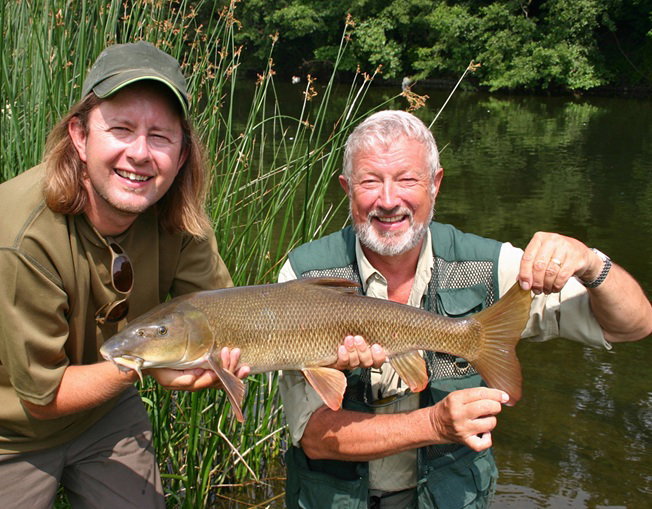
John Wilson inspired fishing, with vintage tackle
John Wilson made generations of anglers feel that traditional fishing was both accessible and endlessly fascinating. His approach mixed simple rigs, careful watercraft, and a willingness to swap methods when conditions changed. That mindset pairs perfectly with collecting and fishing classic equipment, because vintage gear encourages you to slow down, read the swim, and feel what is happening at the hookbait.
This guide from D And S Vintage Fishing Tackle is built as nine complete, John Wilson inspired setups. Each one combines a vintage leaning rod choice, a sensible line, and a set of techniques that still catch fish today. You can fish these exactly as written, or use them as templates and adjust for your waters, seasons, and local rules.
A quick note on “vintage” and practicality
Many original rods and reels are still perfectly usable, but there is nothing wrong with subtle modern support where it improves fish welfare and reliability. For example, you might use a modern hooklength material with an old rod, or modern barbless hooks where required. The aim is to capture the feel, balance, and decision making of classic angling, not to make things fragile or unsafe.
1) Classic river trotting with a vintage Avon or match rod and a centrepin
Trotting is pure John Wilson territory: travelling with the float, controlling speed, and using tiny adjustments to make the bait look natural. Vintage rods excel here because many older “Avon” and “all rounder” blanks have forgiving through actions that protect light hooklengths while still steering a good chub away from snags.
- Rod: 11 to 12.5 ft vintage Avon style rod, or an older match rod with a progressive action. Look for sound rings and a tip that recovers smoothly.
- Reel: centrepin, ideally with a smooth check. Older pin designs still work well if they spin freely and the spool is true.
- Main line: 3 to 5 lb nylon monofilament. Classic tough monos are perfect here. Choose a diameter you can easily mend off the surface.
- Hooklength: 2.5 to 4 lb, 12 to 24 inches depending on clarity and pace.
- Floats: stick floats and balsa bodied inserts for shallow runs, plus an Avon style float for steadier water.
- Hooks and baits: size 18 to 12 for maggots, casters, and hemp. Size 12 to 8 for breadflake, worm, and cheese paste.
How to set the rig up
- Start with a float that cocks with most of the shot bulked 12 to 18 inches from the hook, plus one or two droppers spaced below. This gives stability but still lets the bait “settle” naturally.
- In faster water, move more weight toward a bulk, and shorten the hooklength. In steadier runs, spread the shot to slow the fall and keep the bait in the taking zone longer.
- Grease the line with a floatant or a light smear of vaseline style grease. This helps control the trot by keeping line off the surface film.
John Wilson style technique tips
- Feed little and often: loose feed maggots, hemp, or caster every run, then track bites against the feed line.
- Let it run, then check it: allow a natural run for the first third of the trot, then lightly check to lift the bait and slow it. Many chub bite exactly as the bait rises.
- Strike down and across: a short, crisp strike with the rod angled slightly downstream keeps the hook set and avoids pulling the float violently.
- Carry two floats: one lighter for finicky dace and roach, one heavier for chub and mixed species when the river pushes through.
Vintage tackle notes
Older rods labelled “Avon”, “carp”, “roach”, or “all round” often have ideal trotting actions. Many classic British makers produced rods in this style. Condition matters more than a name on the blank, check ferrules, whipping, and ring frames, and avoid cracked cane or deep flat spots on glass.
2) Stret pegging with a crowquill float and a soft action vintage rod
Stret pegging is a particularly elegant way to fish moderate current, and it is easy to imagine John Wilson enjoying it on clear rivers for grayling, chublets, dace, and roach. The method uses a float and a lightly anchored bait that “ticks” along close to the bottom, holding just enough to let the bait flutter and pause.
- Rod: 11 to 12 ft vintage match rod, or a lighter Avon with a sensitive tip.
- Reel: centrepin for the purest control, though a small fixed spool works fine.
- Main line: 2.5 to 4 lb mono.
- Float: crowquill style float, or a slim stick float.
- Shotting: a string of small shot down the line, with slightly more weight toward the bottom two thirds.
- Baits: single maggot, caster, small worm section, or a couple of hemp grains with a tiny punch of bread if allowed.
Rig and depth
- Set the depth so the bait just kisses bottom every few feet, not ploughs through it.
- Space shot evenly at first, then adjust so the float rides confidently with the tip showing. If the float drags under frequently, reduce depth or move weight up slightly.
- Use a longer hooklength than you would for fast trotting, often 18 to 30 inches, to let the bait flutter naturally.
How to fish it
- Cast slightly upstream: let the rig settle, then follow it down with the rod tip low.
- Hold back gently: just enough that the float cants slightly upstream. This makes the bait lift and drop, and it often triggers bites.
- Start with subtle feeding: a pinch of hemp and a few maggots, then build if fish respond. Overfeeding can push fish downstream on small rivers.
- Strike at hesitations: in stret pegging, a bite might be a float that stops, lifts, or slides sideways rather than burying dramatically.
Vintage feel, modern care
Traditional crowquill floats and light hooklengths are deadly, but keep fish welfare in mind. Use appropriate hook sizes, unhooking mats when needed, and avoid ultra fine lines around snags. A classic soft rod action is your friend, it cushions sudden lunges and prevents hook pulls.
3) Swing tip or “touch legering” for winter roach, dace, and chub
Older swing tip and quiver tip approaches have a special charm. They also solve a real problem: in cold or coloured water, fish may mouth a bait without moving the lead much. A sensitive tip shows tiny plucks and drop backs in a way that keeps you connected to what is happening.
- Rod: vintage swing tip rod, or a classic Avon with a light quiver tip section if you have one.
- Reel: small fixed spool reel with a smooth clutch, or a centrepin with a controlled check.
- Main line: 3 to 6 lb mono. Choose the upper end if there is debris or you expect chub.
- Lead: small bombs from 1/4 to 3/4 oz, just heavy enough to hold bottom.
- Rig: link leger, running ledger, or a simple paternoster in snaggy swims.
- Baits: bread punch, flake, maggots, caster, small worm, or cheese paste for chub.
Simple rig recipe
- Thread a small run ring or drilled bead on the main line, then tie to a small swivel.
- Add a 12 to 30 inch hooklength depending on water clarity and fish confidence.
- Clip or tie the lead to the run ring. Use the lightest lead that does not roll.
How to fish it like a masterclass
- Fish a “tight but not bar tight” line: rest the rod so the tip is just under tension. You want indication without dragging the lead.
- Watch for drop backs: chub and roach often pick up the bait and move toward you, producing a slackening tip.
- Rest and move: if bites do not come, recast a yard left or right. Winter fish often sit in very small areas.
- Use tiny feed: a couple of maggots every cast, or a small pinch of crumb. Keep it neat and consistent.
Why vintage rods shine here
Many older legering rods were designed to show bites rather than to cast heavy feeders. Their softer mid sections transmit gentle pulls, and they make small fish feel alive. Just avoid overloading them, keep leads and feeders sensible, and let the rod do the cushioning rather than striking too hard.
4) The lift method for tench, with a vintage Avon and classic bobbin style indication
The lift method has become iconic, and for good reason. Tench often feed confidently over small beds of bait, and the lift bite is one of the most satisfying indications in fishing. A vintage Avon rod, fished with care, is ideal because its forgiving action protects hookholds during those powerful, surging runs.
- Rod: 10.5 to 12 ft vintage Avon or “tench” rod with a progressive action.
- Reel: small to medium fixed spool reel, or a centrepin if you prefer.
- Main line: 6 to 10 lb mono, depending on weed and fish size.
- Lead: small bomb or flat pear, typically 1/2 to 1 oz.
- Float: slim pencil or bodied lift float, plus a couple of BB or AAA shot to balance it.
- Baits: sweetcorn, bread, worms, or small soft pellets. Classic bait combinations still work brilliantly.
Lift method setup
- Fish a running rig with the float set so the tip is just showing, and set the shot so that when the fish lifts the lead, the float rises decisively.
- Place the lead on the bottom with a short hooklength, often 4 to 10 inches. Short hooklengths create clearer lift indications.
- Plumb the depth carefully. Tench often feed best with the bait pinned to the bottom, not hovering.
Swim building, the vintage way
- Bait accurately: a small bed of particles, like corn and hemp, keeps fish rooting in one spot.
- Do not overdo it: tench love feed, but your rig should be the easiest food item to pick up.
- Fish early and late: dawn and dusk are classic lift method times, especially in summer.
Playing fish with older gear
Older rods tend to be forgiving but may not have the backbone of modern carp rods. That is not a disadvantage for tench if you set your drag sensibly, keep the rod angle low when fish kite through weed, and avoid “pumping” too aggressively. Let the rod and steady pressure do the work.
5) Stillwater waggler fishing for roach, bream, and hybrids on vintage match tackle
Waggler fishing is a classic way to cover stillwaters, and it remains one of the most enjoyable methods for mixed species. It is also a wonderful excuse to fish a proper vintage match rod, the kind designed to cast light rigs with a smooth, responsive action.
- Rod: 12 to 13 ft vintage match rod with a crisp but forgiving action.
- Reel: fixed spool reel with a shallow spool for light lines.
- Main line: 2.5 to 5 lb mono.
- Floats: insert waggler for calm days, bodied waggler for wind and chop.
- Shotting: either bulk and droppers for positive bites, or a shirt button spread for slow sinking presentations.
- Hooks and baits: maggots, caster, bread punch, corn, worm. Scale hook size to bait and fish size.
Build two wagglers in your head
- Positive bite waggler: bulk shot 18 inches from the hook plus one dropper at 6 inches. Great for skimmers and hybrids.
- Slow fall waggler: shot spaced down the line. Great for roach that intercept on the drop.
Distance control and line management
- Clip up consistently: if your reel has no line clip, use a gentle marker on the line or count handle turns so you can hit the same feed zone.
- Sink the line: after casting, sink the line by dipping the rod tip and winding. This prevents wind drift and improves bite detection.
- Use a backshot: one small shot a foot from the float helps cock it quickly and improves control in crosswinds.
Feeding like John Wilson
- Start with a modest bed of feed, then top up based on bites. Many anglers lose fish by feeding too much too early.
- Match feed to bait. If you are fishing maggots, loose feed maggots. If you are fishing corn, feed small amounts of corn plus a little crumb to keep fish searching.
- Keep an eye on the float pattern. If bites are fizzles and tiny dips, smaller hooks and a slower fall often transform the session.
Vintage rod care
After a stillwater session, wipe down the rod and rings, especially if you have used groundbait, sweet liquids, or sticky bait. Vintage whippings and cork last much longer when kept clean and dry.
6) River feeder and quiver tip work for chub and barbel with a vintage “specialist” feel
When flow, depth, or distance make float fishing inefficient, feeder tactics come into their own. A John Wilson inspired approach keeps it simple: choose a swim with a clear “feature”, put a small pile of attractants there, and fish a hookbait that matches the feed. Vintage rods can do this beautifully if you respect their casting limits and choose feeder sizes accordingly.
- Rod: 11 to 12.5 ft vintage Avon, barbel, or specialist rod. If you have a quiver tip option, use a medium tip rather than a heavy one.
- Reel: fixed spool reel with a reliable clutch. Older reels are fine if the line lay is good and the drag is smooth.
- Main line: 8 to 12 lb mono for barbel and snaggy chub swims, 6 to 8 lb for cleaner rivers.
- Feeder: open end feeder, block end feeder, or a small cage feeder. Start light, increase only as needed to hold bottom.
- Rig: running feeder to a swivel, with hooklength tailored to fish response.
- Hookbaits: bread, meat, worm, cheese paste, corn, or pellets where allowed and appropriate.
Finding the “Wilson” swim quickly
- Look for pace changes: creases, slower glides adjacent to faster water, and the tail of pools.
- Find gravel or firm bottom: barbel and chub often feed confidently where the lead lands with a clear “donk”.
- Avoid constant snagging: vintage kit is tough, but there is no romance in leaving tackle in trees or rocks.
Feeding strategy that suits vintage gear
- Begin with 3 to 6 feeder casts to build a small patch, then fish for bites.
- If bites are sharp but you miss them, shorten the hooklength. If bites are shy, lengthen the hooklength and reduce feeder weight.
- Keep the rig streamlined. Chunky beads and oversized swivels create tangles and reduce sensitivity.
Playing barbel on classic rods
Vintage rods often have smoother actions but can be less powerful than modern barbel tools. Compensate with good positioning. Keep fish upstream of you when possible, apply steady side strain, and do not lock up the clutch. If your swim is heavy with snags, consider stepping up line strength or choosing a clearer swim, fish safety comes first.
7) Roving “one rod” chub and perch with a vintage wander rod and minimal end tackle
One of the most John Wilson like ways to fish is to travel light and stay curious. A roving setup lets you drop a bait into undercut banks, crease lines, and small holes, then move on if nothing happens. Vintage rods suit this perfectly, especially shorter Avons and general purpose rods with comfortable handles and forgiving actions.
- Rod: 9.5 to 11 ft vintage Avon or “wander” style rod. A shorter rod is often better for tight banks.
- Reel: centrepin or fixed spool.
- Main line: 6 to 10 lb mono.
- Rig options: freelined bait, a very light running lead, or a simple link leger.
- Hooks and baits: breadflake, crust, cheesepaste, lobworm, or a small deadbait for perch where legal.
How to fish it
- Start with the simplest presentation: try freelining first, then add a tiny lead only if you need to reach the spot or keep contact.
- Make short, accurate casts: the aim is to place the bait, not to hit distance records.
- Give each spot a timer: two or three minutes is often enough. If nothing happens, move ten yards.
- Stay quiet: roving works best when you move slowly and avoid crunching gravel and shadowing the swim.
Classic bite indication
- With a centrepin, you can fish with the ratchet lightly on and the line just slack enough for a fish to take without feeling resistance.
- With a fixed spool, keep the bail arm open and use a light bobbin or a simple line clip on a bankstick, then strike by closing the bail and lifting smoothly.
Why it is so effective
Chub and big perch are often present in small pockets. Long static sessions can miss these fish entirely, while roving turns the day into a series of quick, high confidence opportunities. Vintage tackle adds to the enjoyment because the method is about feel and timing rather than electronics and heavy gear.
8) Surface and margin stalking for carp and tench with a vintage Avon and strong mono
John Wilson always promoted the fun of close range fishing. Surface and margin stalking can be electrifying with vintage kit because everything happens within a rod length or two, and you can watch the fish body language. The key is to keep the rig safe and the pressure controlled.
- Rod: 10 to 12 ft vintage Avon, carp, or strong all rounder rod with sound rings and a dependable handle.
- Reel: fixed spool with a reliable clutch, or a robust centrepin if you are skilled with it.
- Main line: 10 to 15 lb mono, heavier if there are snags or thick weed.
- Hooks: strong patterns suitable for carp, sized to the bait and rules. Many waters require barbless.
- Baits: floating crust, dog biscuits, breadflake, worms in the margins, or corn. Use what fish are already responding to.
Two simple rigs
- Freelined crust: no float and no lead, just a hook and a piece of crust. Pinch the crust on so the hook point is lightly covered but will expose on the strike.
- Controller float: a small controller helps casting accuracy and keeps the bait in place. Attach with a strong swivel and keep the hooklength short to avoid tangles.
Stalking process
- Spend time watching first. Look for tailing fish, cruising shapes, and subtle clouding as fish feed.
- Feed a couple of free offerings, then lower the hookbait in or cast past and draw back into position.
- Strike with control. With close range fish, it is easy to strike too hard. A firm lift and immediate side strain is normally better.
- Set the clutch before you start. Vintage rods can be strong, but sudden locked up pressure can crack old ferrules or stress old whippings.
Keeping it safe with vintage tackle
Inspect the rod carefully before using it for carp, especially around ferrules, tip rings, and handles. Replace any suspect line. If the water has dense snags and you cannot steer fish clear confidently, step up tackle or choose a different method. The best “classic” approach is always the one that lands fish quickly and in good condition.
9) Pike deadbaiting and float ledgering with a vintage pike rod, wire traces, and clear bite indication
Pike fishing is a huge part of traditional British angling. The vintage approach pairs a robust rod and reliable reel with simple, effective bite indication. Float legering is a great “active static” style, you are stationary for long enough to let a bait work, but mobile enough to try new swims until you find fish.
- Rod: 11 to 12.5 ft vintage pike or powerful spinning rod, or a classic glass boat rod for close range work. It should comfortably cast 2 to 4 oz, but only if the blank is designed for it.
- Reel: robust fixed spool or multiplier. Whatever you choose, it must have a dependable drag and a solid line roller.
- Main line: 15 to 20 lb mono, or a thick diameter braid if you prefer modern line. If using braid, add a mono leader to reduce cut offs and cushion lunges.
- Trace: wire trace of appropriate strength, with quality swivels. Always use wire for pike, it is essential.
- Rig: float ledger with a running lead or ledger stop, plus a pike float sized to the bait.
- Baits: deadbaits matched to local forage, such as sardine, smelt, herring, or small coarse fish where legal.
Float ledger rig basics
- Set the float so the bait sits slightly off bottom, or on bottom if you need it anchored in flow.
- Use a run ring and a lead just heavy enough to cast and to keep the bait in place.
- Place the rod in rests with the line lightly tensioned so you can read the float and feel takes.
Bite detection, striking, and unhooking
- Watch the float: slides, dips, and steady movement all tell a story. In cold water, takes can be slow and deliberate.
- Strike only when you are confident: modern pike practice often focuses on striking sooner than old fashioned “long runs”. The goal is a clean hookhold and quick unhooking. Local advice and rules matter, but in general, avoid allowing a pike to swallow the bait.
- Carry proper tools: long forceps, strong cutters, and an unhooking mat. These are non negotiable for pike welfare.
- Use suitable rigs: single hooks or semi barbless where appropriate can make unhooking faster, but always match hooks to bait size and ensure good presentation.
Swim rotation
- Give each swim 20 to 40 minutes, then move. Vintage pike fishing is often at its best when you keep searching.
- Target features: reed lines, drop offs, points, and the edges of weed beds.
- In rivers, focus on slacks, eddies, and the crease where fast and slow water meet.
Bringing it all together, building your own vintage inspired “Wilson kit”
If you want one personal set of tackle that covers most of these setups, aim for a small collection with overlapping uses: a 12 ft Avon for floats and light legering, a 13 ft match rod for wagglers, and a stronger pike or heavy spinning rod for predator work. Add a centrepin if you love float control, plus a reliable fixed spool for feeder and general duties. Keep a range of classic floats, a few feeders, and a wallet of hooks and swivels.
Most importantly, keep the John Wilson habit of adapting. If trotting is not working, try a light link leger. If the waggler bites fade, slow the fall or switch to the lift method in the margins. Vintage fishing is not about being stuck in one era, it is about using proven ideas with attention and enjoyment.
Checklist before you fish vintage tackle
- Check rod rings for cracks and rough spots that could damage line.
- Inspect ferrules and joints, especially on cane and older glass.
- Replace old line, even if it looks fine. Nylon degrades with age and sunlight.
- Test reel drags and centrepin checks before you fish.
- Carry fish care essentials suited to your target species and venue rules.
With these nine setups you can cover rivers, canals, stillwaters, and predator sessions while keeping the practical, thoughtful spirit that made John Wilson such a lasting influence. Vintage rods and classic techniques are not just collectable, they are genuinely effective, and they make every bite feel like a small piece of angling history coming alive.