Exploring the World of Match Fishing with Bryan Lakey
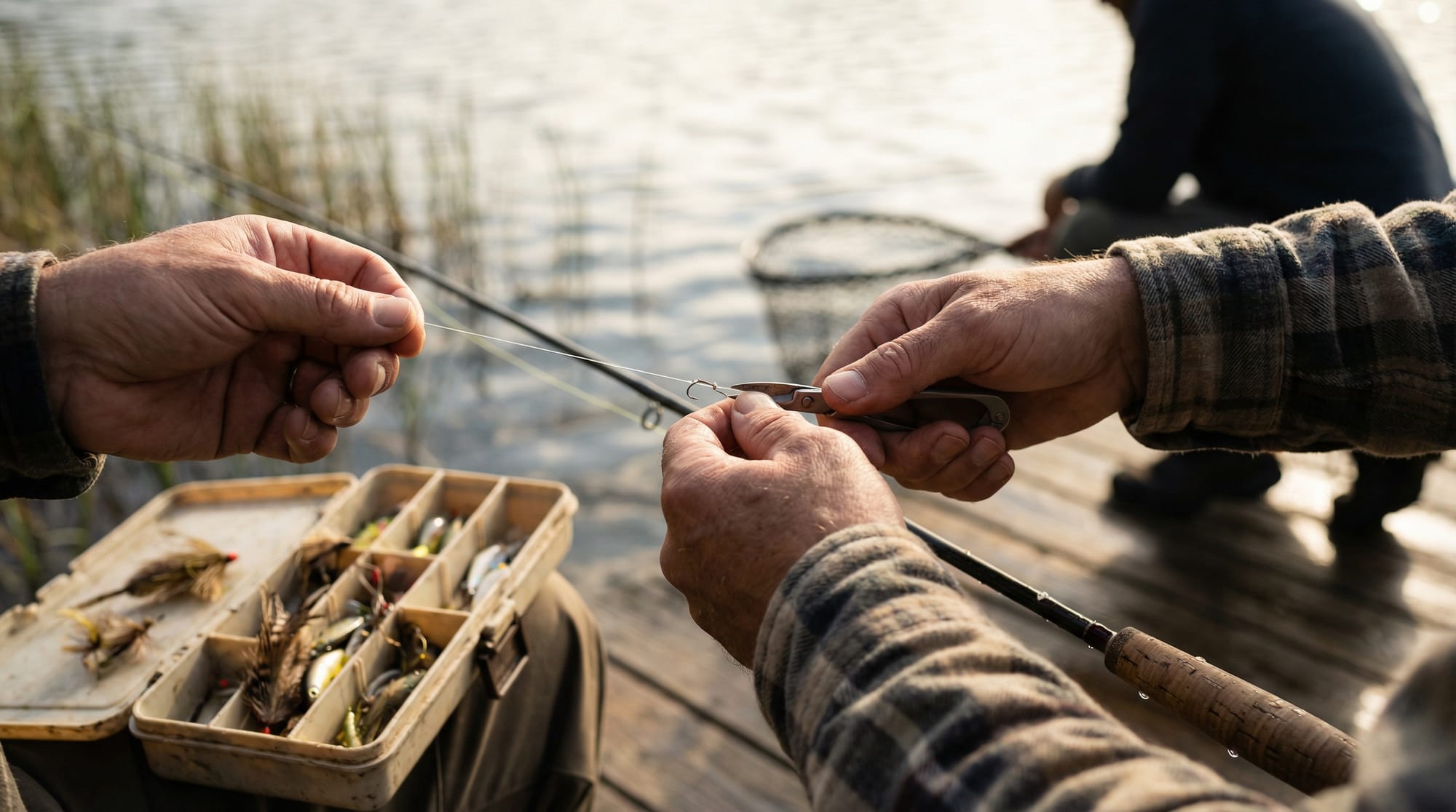
Exploring the World of Match Fishing with Bryan Lakey, A Practical List of Tips and Tactics from D And S Vintage Fishing Tackle
1. Start with the match fishing mindset, fish for ounces, then build to pounds
Match fishing is often decided by small margins, a handful of bites, a slightly quicker response, one better decision about feed or depth. Bryan Lakey approaches every session with the idea that each fish matters, even when bigger fish are present. This mindset changes how you set up, how you feed, and how you manage time, because you stop drifting into casual fishing and begin treating every minute as an opportunity to add measurable weight.
- Assume the first hour is for information, not just catching.
- Value consistency over hero casts, rhythm creates catches.
- Think in terms of bite rate, landing rate, and reset speed.
- Expect conditions to change, plan how you will adapt.
2. Learn the venues, stillwaters, canals, rivers, and commercials fish differently
Bryan Lakey emphasizes that match anglers win by understanding how the venue behaves. A canal compresses fish and lines, a river adds flow and drift, a stillwater rewards accurate line management, and a commercial often demands speed and efficiency under heavy stocking. Your setup should reflect the venue, not just your preferred style.
- On canals, prioritize accuracy and quiet feeding, fish are often close and easily spooked.
- On rivers, plan for tow and flow, use stable rigs, and feed lines that hold fish.
- On stillwaters, build a swim with feeding patterns, then hold fish on that spot.
- On commercials, prepare multiple options, short pole, margin, and a longer line, to rotate fish and avoid burnout.
3. Build a simple plan, then add branches for likely changes
When exploring match fishing with Bryan Lakey, one theme stands out, clarity. A plan might start as two lines, a main line for feeding and a backup line to rest fish. As you gain information, you add branches, for example, switching hookbait size, changing shotting, or relocating. The best plans stay simple enough to execute quickly.
- Set a primary line where you expect to catch steadily.
- Create a secondary line to rest the main spot and restart the bite.
- Define triggers, for example, if bites stop for ten minutes, change one variable.
- Keep a late game option, margins or a closer line, for the final push.
4. Choose the right tackle philosophy, modern performance with vintage discipline
D And S Vintage Fishing Tackle celebrates classic kit, but Bryan Lakey reminds anglers that the real advantage is not fashion, it is discipline. Vintage floats, traditional shotting patterns, and classic rod actions can be deadly when paired with sound mechanics. Whether you fish with current gear or a cherished older setup, the principles remain the same, balanced tackle, clean line, reliable drag, and hooks matched to bait and fish size.
- Use tackle you can control comfortably for the full match length.
- Test your elastic, line, and hook combinations before the whistle.
- Keep spares organized, you should be able to change quickly.
- Prioritize confidence, hesitation costs fish and time.
5. Nail your plumbing, depth control is the foundation of match success
Plumbing a swim is not a one and done action. Bryan Lakey treats depth as a living variable, because fish rise, fall, and shift as feed goes in and light changes. Accurate depth knowledge lets you set your bait at the most efficient level. Too deep and you foul hook or miss indications. Too shallow and you get liners or missed bites.
- Plumb the exact spot you will feed, not just nearby.
- Check depth on each line, short, mid, long, margin, they can vary surprisingly.
- Recheck depth if you suspect undertow, tow, or drifting weed.
- Adjust depths in small steps, for example, two inches at a time, to locate the feeding layer.
6. Master your shotting patterns, stability, sensitivity, and fall rate
Shotting is the match angler’s silent weapon. Bryan Lakey focuses on three outcomes, how fast the bait falls, how stable it holds in the water, and how clearly it reads bites. A bulked rig gets down fast and is excellent for direct fishing on the deck. A strung out rig can be better for cautious fish and for catching fish on the fall. You should keep a couple of proven patterns and adapt them to conditions.
- In wind or tow, tighten shotting and anchor the rig, reduce drift.
- In clear water with pressured fish, spread shots to slow the fall.
- When fish are intercepting, move a small dropper up or down to fine tune where bites occur.
- Always match float capacity to shotting, over shotted floats lie and cost time.
7. Float choice is decision making, not decoration
Bryan Lakey chooses floats to solve problems. Can the float hold steady? Can it register shy bites? Can it cope with crosswind? Can it be dotted down so bites are obvious? From classic inserts to bodied patterns, the float is a tool for reading the swim. Your float must match depth, venue behavior, and feeding approach.
- Use stable patterns for deeper water, wind, or flow, they track better.
- Use slimmer patterns for shallow water and cautious fish.
- Choose bristle size based on bait and disturbance, bigger baits often need stronger tips.
- Carry a range of sizes, changing float size is often faster than changing everything else.
8. Groundbait strategy, build a dinner table, then control the queue
Groundbait is not only about attracting fish, it is about controlling them. Bryan Lakey talks about creating a feeding area that encourages fish to compete without making them overfed or scattered. The wrong groundbait or the wrong amount can ruin a swim. The goal is to lay a base, then top it up in a controlled rhythm.
- Start with a base feed that matches the venue, heavier for flow or depth, lighter for shallow and still.
- Use particles with intention, for example, hemp to hold fish browsing, pellets to spark feeding, and crumb to draw fish in.
- Feed by accuracy, not volume, consistent placement keeps fish confident.
- When bites slow, adjust the mix or the feed rate before you move swims.
9. Loose feeding works when it is measured, not random
Loose feeding maggots, casters, hemp, or pellets can switch a swim on, but it can also push fish away or bring in the wrong species. Bryan Lakey uses loose feed like a metronome. Each throw has a purpose, keep fish searching, keep them feeding, and keep them coming back to the hookbait. Your hand becomes part of the rig.
- Feed little and often if you want bite rate, feed bigger top ups if you want to hold larger fish.
- Match hookbait to loose feed, fish trust what they keep finding.
- Use a quick rhythm when fish are competing, then slow it when bites become frantic to avoid overfeeding.
- In wind, use tools like a catapult or toss pot to maintain accuracy.
10. Hookbait selection, use a clear hierarchy, not a random rotation
Bryan Lakey views hookbaits as a hierarchy, starting with what gets bites quickly, then moving to what improves fish size, then using a reset bait to restart a fading swim. Constantly swapping without a reason is usually a sign of panic. A match angler changes baits with a job in mind.
- Use single maggot or pinkie to start if you need early fish and quick feedback.
- Step up to double maggot, caster, or worm if you need better stamp.
- Try corn or small pellet when bigger fish are present but cautious.
- Keep a change bait ready, often a completely different look, to trigger bites when things stall.
11. Line control, the invisible difference between average and sharp
Match fishing is full of subtle problems, tow dragging your rig, wind bowing your line, undertow pulling the rig out of the feed zone. Bryan Lakey focuses on line control as a priority because even perfect bait and feed fail if the rig is not fishing properly. Learning to sink the line, mend, and manage slack is a skill that turns indications into hooked fish.
- Sink the line after each cast by dipping the rod tip and giving a controlled pull.
- Keep only the necessary line on the water, reduce bow in wind.
- In tow, hold back gently to stabilize the float, then release to let bait settle.
- Use floating line only when it helps, most match situations reward sunk line control.
12. Striking and hooking, quick, controlled, and repeatable
Bryan Lakey’s approach to striking is practical, a short, crisp lift that sets the hook without dragging the float or pulling the bait away. The goal is repeatability. In match fishing, you might strike hundreds of times, so your movement must be efficient to avoid fatigue and reduce missed bites.
- Strike in line with the float, avoid sideways sweeps that move the rig too much.
- Match hook size and wire gauge to bait and fish, too heavy costs bites, too light costs landings.
- If you miss bites, change one thing, hook size, bait position, or shotting, not everything at once.
- Watch for lift bites and sailaways, different bites can signal different fish behavior.
13. Fish playing skills, protect time, protect tackle, protect your net
Landing fish efficiently is a tournament skill. Bryan Lakey aims to land fish quickly without rushing to the point of breakages. Smooth pressure, correct rod angles, and decisive netting keep the rhythm. One lost fish can also disturb your swim, especially in shallow water or when larger fish charge around.
- Keep the fish’s head up when possible, it reduces lunges.
- Use side strain to guide fish away from snags, but do it smoothly.
- Net fish positively, do not chase them with the net, lead them over it.
- Know when to step up line or elastic, lost time from breakages is often worse than fewer bites on heavier gear.
14. Time management, fish the clock as much as the swim
Bryan Lakey treats the match as a timeline of phases. Early, you learn and build the swim. Mid match, you stabilize catch rate and manage feed. Late match, you maximize weight, protect what you have, and take calculated risks. Knowing the clock stops you making desperate changes too early or staying stubborn too long.
- Set mini targets, for example, assess after 30 minutes, then each hour.
- Rotate lines to rest fish, resting can be more powerful than refeeding.
- Save time by having rigs and hooklengths prepared and easy to reach.
- In the last 30 minutes, choose the line that produces the highest chance per minute, not necessarily the biggest fish.
15. Reading bites, what the float is telling you about fish mood
A float does more than go under. It reports on fish position, confidence, and how they are interacting with feed. Bryan Lakey watches for patterns, repeated small dips can mean fish are grazing above the hookbait. Big confident sailaways can mean fish are bolting away with bait. A float that twitches then sits can mean fish are bumping the line or just inspecting the feed.
- Small constant tremors often suggest fish are present but cautious, consider smaller hookbait or slower fall.
- Lift bites can indicate fish feeding on the bottom and picking up the bait then rising.
- Repeated liners may mean fish are midwater, adjust depth or shotting.
- If bites stop after a good run, consider whether you have spooked fish with noisy feeding or heavy striking.
16. The value of a striker line, reset your swim without destroying it
Bryan Lakey often keeps a backup line designed to catch quickly when the main line fades. It could be a shorter line with less feed, or a slightly different presentation on the same spot. The goal is to keep fish going into the net while your main line recovers. This is a classic match concept, and it remains relevant everywhere.
- Create a second line at a different distance or angle to avoid cross disturbance.
- Feed the striker line lightly, it is for quick bites, not long term holding.
- Use a different hookbait to identify what fish want at that moment.
- Return to the main line once fish have settled, do not abandon your best area too quickly.
17. Margin fishing, a late match multiplier that many anglers underuse
Across many venues, margins can produce bonus fish late in the match when pressure pushes fish close. Bryan Lakey treats margins as a planned option, not an afterthought. The margin line often needs careful feeding, quiet presentation, and stronger tackle, because bigger fish use the edge and fight hard in shallow water.
- Feed the margin early, then leave it alone, it often improves with time.
- Keep a low profile, footsteps and shadows matter in the edge.
- Use direct rigs and strong hooklengths, fish have leverage in shallow water.
- Switch to the margin late if open water dries up, or if you need to improve average fish size.
18. Adapting to weather, wind, temperature, light, and pressure
Bryan Lakey’s match results come from adapting, not hoping. Weather changes bite windows. A cold front can push fish tight to the bottom and slow feeding. Bright sun can make fish back off. Wind can push fish into certain areas but also ruins presentation. You win more by making small sensible adjustments than by making big dramatic resets.
- In bright conditions, consider finer hooklengths and smaller baits, and feed more carefully.
- In wind, use heavier floats, more stable shotting, and tighter line control.
- In sudden cold, reduce feed amount, slow presentation, and prioritize accuracy.
- In warm spells, expect more activity, higher in the water, and consider on the drop options.
19. Species awareness, tailor your approach to the fish you are likely to catch
A key Bryan Lakey principle is to know what you are targeting. Roach, skimmers, bream, carp, perch, and hybrids respond differently to feed and presentation. If you want to maximize weight, you decide whether you are building a mixed net or focusing on a higher value species. Each decision changes your feeding and hookbait choices.
- Roach often respond to steady loose feed and lighter presentation, and can be caught on the drop.
- Skimmers like a bed of feed and can respond well to groundbait and small baits presented steadily.
- Bream often require holding them with heavier feed and patient presentation, bites may come in spells.
- Carp may demand stronger tackle, more robust feeding, and the willingness to move or change lines quickly.
20. Feeding for different outcomes, drawing fish, holding fish, or sorting fish size
Feeding is not one action. Bryan Lakey separates feeding into three goals. Drawing fish into the area, holding them there, and sorting the stamp. A clouding mix can pull fish in. A heavier mix can hold them. Bigger feed items can reduce small fish and encourage larger ones, but can also reduce bite rate. Every choice has a tradeoff, the key is making it on purpose.
- To draw fish, use attraction, smell, fine particles, and consistent top ups.
- To hold fish, create a bed of feed, then maintain it with measured additions.
- To sort bigger fish, consider larger baits, less frequent feeding, and more robust groundbait.
- To increase bite rate, reduce bait size and feed little and often.
21. Accuracy is a skill, build it like you would build casting or striking
Bryan Lakey insists that accuracy wins matches, especially on pressured waters. If your feed spreads, fish spread. If your rig lands off the spot, you miss the group. Accuracy includes how you introduce bait, how you ship the pole, how you cast the float, and how you lower the rig in. It also includes how you repeat it under stress.
- Pick a far bank marker or a skyline marker, keep every cast aligned.
- Use line clips for wagglers when allowed, and learn to hit the clip smoothly.
- With a pole, develop a consistent shipping and lowering motion to avoid tangles.
- Practice feeding so it lands where the hookbait is, not where it is convenient.
22. Keep your rigs organized, speed comes from systems
Match fishing punishes disorganization. Bryan Lakey’s style relies on having the right rig ready quickly. If a float size needs changing or a hooklength needs swapping, you should do it without drama. Systems remove panic and keep you fishing.
- Prepare a range of rigs that cover depth and wind changes.
- Label or group rigs by line, distance, or target species.
- Pre tie hooklengths in sensible steps, different hook sizes and line diameters.
- Keep tools reachable, disgorger, shots, scissors, spare floats, and baiting tools.
23. Use the minimum change to solve the problem, avoid spiraling
When bites slow, it is tempting to change everything. Bryan Lakey recommends the minimum effective change. That could be shifting shotting by a couple of inches, changing bait size, or altering feed rhythm. Big changes are sometimes required, but small adjustments often solve common match problems faster.
- If you are getting liners, adjust depth or slow the fall before moving swims.
- If bites are tiny, reduce hook size or bait size first.
- If fish are present but not taking, consider feeding less and resting the swim.
- If fish have moved, then make the bigger decision to switch lines or change distance.
24. Understand resting, sometimes the best feed is no feed
Resting a swim is a match fishing art. Bryan Lakey often uses rest to allow fish to regain confidence or to stop them from being overfed. Resting also helps when nuisance fish, like tiny roach, are stripping bait and preventing better fish from feeding confidently. By leaving a spot alone, you can let it regroup.
- Rest the main line after a burst of fast fish to avoid spooking and thinning the shoal.
- Use a secondary line while resting, keep weight going on the clicker.
- Return with a slightly different hookbait or depth to trigger the first bite.
- Do not rest too long without a reason, time is limited in a match.
25. Learn to fish on the drop, it can transform your catch rate
Fishing on the drop is when you catch fish as the bait falls through the water, rather than only when it settles. Bryan Lakey uses it when fish are active, when you want fast bites, and when fish are midwater. It can also be extremely effective for roach and hybrids in particular, and it can help avoid nuisance bottom species if they are a problem.
- Spread shotting to extend the fall time through the feeding layer.
- Use baits that flutter naturally, like maggot or caster.
- Set depth so the bait passes through where bites are happening, then adjust gradually.
- Watch for bites just after the rig lands, those often indicate midwater feeders.
26. Keep calm under pressure, match fishing is competitive problem solving
Bryan Lakey’s calm approach is not accidental. Competitive anglers manage stress by sticking to process. When others begin reacting to rumors of big fish elsewhere, or panicking at a short spell without bites, the calm angler keeps making measured choices. That calm is also contagious, it improves striking, reduces tangles, and keeps feed rhythm steady.
- Focus on your swim, not what you think others are doing.
- Use your plan, then adjust using your triggers and observations.
- Recover quickly from setbacks, a lost fish is a data point, not a disaster.
- Keep hydration and comfort in mind, fatigue causes mistakes late on.
27. Work with your peg, your angles and lanes can be as important as bait
A peg is a small area with its own opportunities, features, and constraints. Bryan Lakey looks for ways to make a peg produce, by exploring angles, distances, and features like shelves, silt lines, or far bank cover. Even on uniform venues, subtle differences matter. If everyone fishes straight ahead, a slight angle can find less pressured fish.
- Identify features, depth changes, weed lines, gravel strips, or cover.
- Fish different angles if allowed and safe, it can reveal a better line.
- Do not ignore the water close in, many anglers only fish long and miss easy fish.
- Keep your swim tidy, line and feed should not drift into neighbors.
28. Keep bait quality high, and handle it correctly all day
In match fishing, bait quality is performance. Bryan Lakey treats maggots, casters, worms, and pellets as part of the tackle, something you maintain. Dead maggots, mushy pellets, and crushed bait lead to inconsistent feeding and reduced bite confidence. Good bait also helps you feed accurately, because it behaves predictably.
- Riddle groundbait properly for consistency and delivery.
- Keep maggots cool and dry, and separate casters by quality if needed.
- Soak pellets consistently, and protect them from drying out or turning to paste.
- Cut worms cleanly when required, and keep them fresh and lively.
29. Pay attention to tiny details, hook point, knot strength, and hookbait presentation
Bryan Lakey checks the small things that many anglers neglect, and those small things add up across a match. A dulled hook point costs fish. A weak knot breaks at the worst moment. A hookbait that sits unnaturally can reduce takes. Keeping details sharp is one of the easiest ways to gain an advantage without changing your style.
- Change hooks regularly, especially after catching multiple fish or bumping the bottom.
- Use knots you can tie perfectly under pressure, and test them quickly.
- Check hookbait presentation, make sure it is straight and not masking the point.
- Inspect line for scuffs, especially after snag contact or landing bigger fish.
30. Use weigh ins and practice sessions to build your personal playbook
Exploring match fishing with Bryan Lakey includes learning from every result. Practice is not only about catching, it is about recording what worked, what failed, and why. Weigh ins show what species dominated and how the venue fished. Your playbook becomes your edge, because you arrive with proven starting points and less guesswork.
- Record conditions and results, wind direction, clarity, temperature, and time of bites.
- Note the winning methods, not to copy blindly, but to understand patterns.
- Track what your swim responded to, feed amounts, bait choices, and depth changes.
- Build a small set of starting approaches for each venue type, then refine them.
31. When to move, when to stay, the hardest match decision
Many matches are lost by moving too early or staying too long. Bryan Lakey weighs moving decisions against evidence, not emotion. If a line is still producing occasional better fish, it might be worth sticking. If a line dies completely and you have a viable alternative, switching can save the day. The key is to make the decision before panic sets in.
- Move when you have clear evidence fish have left, for example, no bites and no signs for a defined period.
- Stay when bites are slower but quality is improving, especially if others are catching smalls.
- Use a test cast or short spell on the second line, then choose based on results.
- Do not keep switching every few minutes, that often prevents any line from developing.
32. Manage nuisance fish without wrecking your main target plan
Small fish can be a blessing if they give you a safety net, but they can also stop you catching what you need to win. Bryan Lakey deals with nuisance fish by adjusting feed type, feed rate, and hookbait, rather than simply giving up. Sometimes you can use nuisance fish to build confidence in the swim, then switch to a bigger bait to pick off better fish.
- Reduce fine feed if tiny fish dominate, move toward heavier or less active mixes.
- Increase hookbait size to deter the smallest fish, for example, double maggot or caster.
- Consider fishing slightly deeper or tighter to the bottom if small fish are midwater.
- If the nuisance fish are actually scoring, lean into it and build a consistent net first.
33. Keep your landing net and keepnet routines efficient and fish friendly
Bryan Lakey combines speed with care. Efficient netting and unhooking keeps you in rhythm, while fish friendly handling avoids penalties and protects the fish and the fishery. In matches, small inefficiencies repeated many times add up to fewer casts, fewer bites, and less weight.
- Position nets for easy reach, then use the same motion every time.
- Unhook over a mat or responsibly over the net depending on rules and fish size.
- Use appropriate keepnets, and avoid overloading, split fish if needed.
- Have disgorgers suited to hook sizes, so unhooking is quick and clean.
34. Learn from Bryan Lakey’s core principle, build a swim, then manage it
The heart of Bryan Lakey’s match approach is building a swim that produces predictably. Many anglers can catch a few fish. Fewer can create a swim that keeps producing hour after hour. Building is about attraction and confidence. Managing is about feed rhythm, resting, rotating lines, and adapting presentation. This is where matches are won.
- Start by creating a clear feeding spot, then fish it accurately.
- Adjust feed in response to bites, not in response to anxiety.
- Use secondary lines to maintain output and protect your main line.
- Finish with intent, choose the approach that maximizes return per minute.
35. Bringing it all together, a match day checklist you can use immediately
D And S Vintage Fishing Tackle encourages the appreciation of tradition, but Bryan Lakey’s world of match fishing is all about doing the basics perfectly and repeating them under pressure. Use this checklist as a final summary, then refine it each time you fish. The goal is not to copy someone else, it is to develop a reliable set of decisions that you can execute confidently on any peg.
- Arrive with a simple plan, main line, backup line, and margin option.
- Plumb accurately, then recheck if conditions change.
- Choose shotting and float to match stability and bite detection needs.
- Feed with a clear purpose, draw, hold, or sort.
- Control line and presentation, ensure the rig is fishing correctly.
- Change one variable at a time, and use evidence to guide decisions.
- Manage time, rotate lines, and keep late match options ready.
- Keep hooks sharp, knots strong, bait fresh, and gear organized.
- Stay calm, follow process, and let the swim tell you what to do.
- Record results to build your personal match fishing playbook.